A fresh tan right before vein removal seems like free camouflage. In practice, it is one of the fastest ways to sabotage results, slow healing, and raise the risk of complications. If you are planning sclerotherapy or laser for spider veins, how you manage sun exposure and self-tanners for a few short weeks can make or break the outcome.
Why skin color and sun exposure matter in vein care
Most spider veins are tiny dilated vessels near the surface of the skin. When I treat them, I rely on two things. First, I need to see the veins clearly to map and target them. Second, I need the skin to behave predictably under light or medication. Tanning disrupts both goals.
Here is what happens physiologically. Natural sun and tanning beds increase melanin in the epidermis. Melanin is a pigment that absorbs light. In laser and IPL vein treatments, we aim energy at hemoglobin in blood inside the vessel, not at melanin. A tan diverts a portion of the energy into the skin rather than the vessel. This raises burn risk, forces me to lower the energy to keep you safe, and can require more sessions to reach the same endpoint. Even for sclerotherapy, which uses a medication injected into the vein, a tan makes vein mapping harder, can intensify post treatment staining, and can prolong how long bruising and inflammation linger.
Self-tanners add a different twist. The active ingredient, dihydroxyacetone, darkens the outermost skin layer for 5 to 7 days. That temporary color still absorbs and scatters laser light. It also masks the true color of the vessels I need to treat and can leave blotchy artifacts on post procedure photos that make follow up assessment tricky. I have rescheduled more than one laser session because a high quality spray tan left the calves too uneven to treat safely.
A quick refresher on spider veins and how treatment works
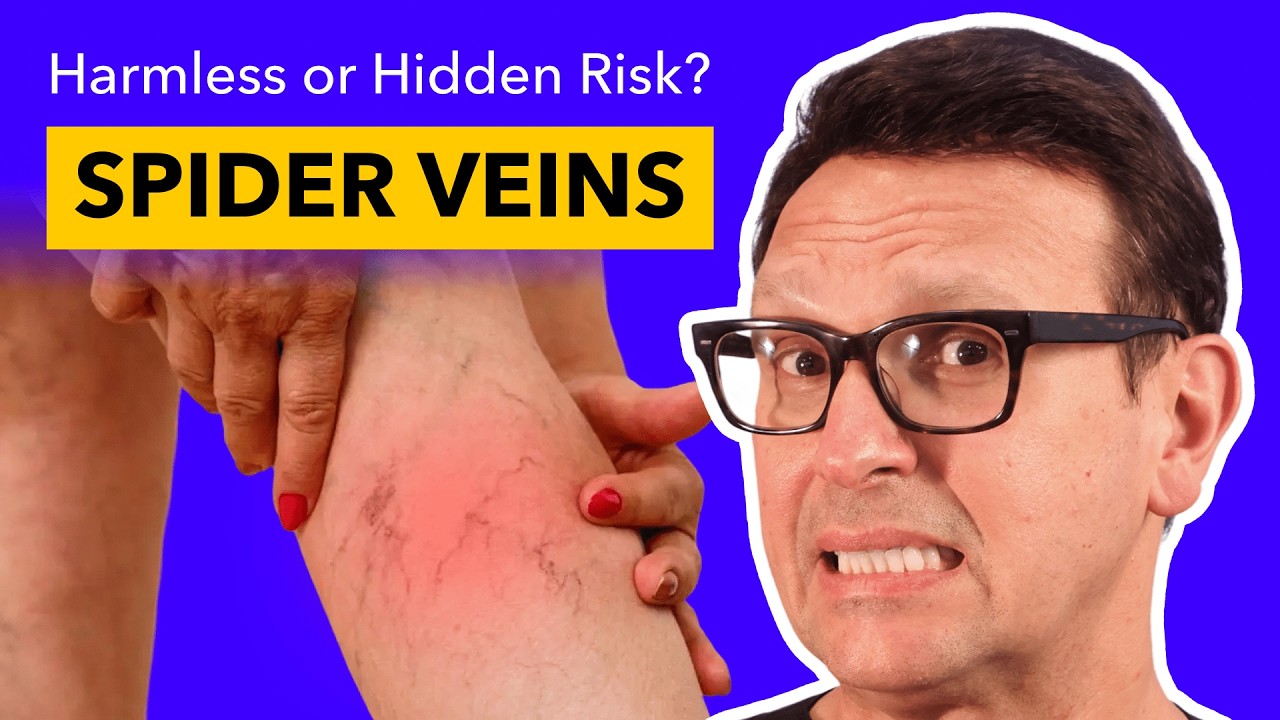
Spider veins, or telangiectasias, are small, red, blue, or purple vessels that sit close to the skin surface. They often appear on the thighs, calves, ankles, and sometimes the face and nose. They are not the same as varicose veins. Varicose veins are larger, bulging, and connected to deeper vein valve problems. Spider veins can exist alone or accompany varicose veins, but their treatment is different.
Sclerotherapy is the workhorse for leg spider veins. A tiny needle introduces a sclerosant, usually polidocanol or sodium tetradecyl sulfate, into the vessel. The medication irritates the lining so the vein walls stick together, collapse, and get reabsorbed over weeks. Sessions run 15 to 45 minutes depending on the extent, with a series of 2 to 4 sessions spaced 4 to 6 weeks apart in many cases. Micro sclerotherapy uses very fine needles and lower concentrations for the smallest vessels. Foam sclerotherapy, where the sclerosant is mixed with air to create foam, can improve contact with the vein wall in slightly larger reticular veins that feed spider clusters.
Lasers or IPL can also treat spider veins, especially on the face or for fine, red vessels that are too small for a needle. Devices target hemoglobin with specific wavelengths. Face sessions are short, often under 20 minutes, and downtime is minimal, but, again, tanned skin is a risk factor. On the legs, lasers can work, but they tend to be less efficient than sclerotherapy for blue and purple networks, and they have higher rates of post inflammatory hyperpigmentation in tanned or darker skin.
Pain is usually low to moderate. Most people describe sclerotherapy as brief pinpricks and a mild cramp as the sclerosant travels. Laser pulses feel like a rubber band snap with heat. Cooling, vibration, and topical anesthetic can reduce discomfort. Anxiety can heighten pain perception and vasoconstriction, so I walk patients through breathing, keep rooms cool, and use distractions. The right environment matters more than people expect.
How different types of tanning impact treatment
Natural sun, tanning beds, and self-tanners each bring distinct issues.
With natural sun, ultraviolet exposure ramps up melanin production and heats the skin. Heat causes vasodilation, which makes vessels more engorged and fragile. That translates to more bruising after injections and a higher chance of matting, the fine blush of new tiny vessels that sometimes appears around treated areas. Tanned skin also increases the likelihood of post inflammatory hyperpigmentation after either sclerotherapy or laser. That brown discoloration can last months if you keep exposing the area to sunlight while it heals.
Tanning beds concentrate UVA. They cause less immediate burn than midday sun, so people underestimate their impact. The melanin increase is real, and I see the same risks, with the added problem that many patients use beds right up to the day of an event or procedure. That timing is the worst match for vein work.
Self-tanners and bronzers do not damage DNA like UV does. The issue is optics and interaction with light based devices. Darkened stratum corneum absorbs and scatters the laser beam, similar to a true tan. For sclerotherapy, the alteration is mostly visual. A well applied light self-tanner that has faded for a few days might be acceptable for injections, but I still prefer bare, natural skin. Heavy aerosol tans, body makeup, and thick bronzers can clog pores and make the skin slippery or leave residue on the needle entry points. I have seen tiny pustules after a session when the skin was not fully clean from products.
The seasonal advantage, and treating in summer without losing ground
Ask most vein specialists about the best time to get spider vein treatment, and winter wins. Cooler weather, longer pants, and fewer outdoor events reduce sun exposure and make compression stockings easier to wear. It also lines up with the timeline. You treat in late fall, touch up in winter, and enjoy spring and summer with clearer legs.
That said, you can treat in summer. The key is discipline. Schedule early morning appointments to avoid arriving sun warmed. Drive to and from the clinic with pants or leggings that cover the treated area. Use a broad spectrum sunscreen, SPF 50 or higher, reapplied every two hours if you will be outdoors. Stick to shade and avoid heat exposure, like hot yoga or saunas, during the critical first week after each session. Good planning keeps outcomes on track even in July.
What to avoid before a vein session
- No tanning from natural sun or tanning beds for 2 to 4 weeks before laser, and 1 to 2 weeks before sclerotherapy. If you tan easily or have darker Fitzpatrick skin, aim for the longer end. No self-tanner, bronzing lotions, or body makeup on the treatment area for at least 7 days before lasers and 48 hours before sclerotherapy. Scrub off residual color gently, not aggressively. Skip heavy moisturizers and oils on treatment day. Clean, product free skin is easier to prep and reduces infection risk at needle sites. Avoid high heat workouts, hot tubs, or saunas the day before. Heat dilates vessels and can worsen bruising. Ask your clinician about medications and supplements. Many allow acetaminophen, but they advise pausing aspirin, high dose fish oil, ginkgo, or NSAIDs for several days if medically safe, since they increase bruising.
These rules are not about being picky. They are about physics and physiology. When patients follow them, I can safely use more effective energy settings, hit more vessels per visit, and reduce the number of sessions needed.
Inside a sclerotherapy appointment, step by step
Your first vein consultation starts with a brief history and a focused leg exam. I ask when the veins first appeared, whether pregnancy, hormone therapy, or a standing job contributed, and if there is itching, aching, or nighttime restlessness. If I see clusters in the thigh or calf that may be fed by reticular veins, I look for feeder vessels. In some cases, especially if there is swelling or a history of varicose veins, I order an ultrasound to rule out underlying reflux. Spider veins alone rarely signal poor circulation, but unrecognized deeper disease leads to higher recurrence after cosmetic work.
On treatment day, I photograph and map the area with a skin marker. Good lighting and sometimes a vein light help. I clean the skin with alcohol or chlorhexidine. For people who are nervous, I use a vibration device close to the injection site and chilled packs to blunt the sensation. The sclerosant goes in through very fine needles, usually 30 gauge. You will see the vein blanch or fade as the solution displaces blood. A single session may treat dozens of tiny vessels across a region. I place small pads and tape on sites that ooze. Compression stockings go on before you stand.
Expect to walk immediately after. Movement reduces the risk of trapped blood and tender cords. Most people return to desk work the same day. If your job is highly physical or involves heat exposure, you may want 24 to 48 hours before full duty. Sessions typically last 20 to 40 minutes, and I advise intervals of 4 to 6 weeks between visits to assess what has cleared and what needs touch up. Facial spider veins, when treated with laser, follow a similar arc, though the prep is different, and compression is not used.
Aftercare, sun, and the do not list that protects your results
- Keep compression stockings on as directed, often 24 hours straight, then daytime wear for 5 to 7 days. This reduces bruising, speeds vessel closure, and limits matting. Avoid direct sun, tanning beds, and self-tanners on treated areas for at least 2 weeks after sclerotherapy and 4 weeks after laser. If you must be outside, wear UPF clothing and high SPF sunscreen. Hold off on hot tubs, saunas, and very hot baths for 7 days. Gentle, lukewarm showers are fine after 12 to 24 hours unless your clinician advises otherwise. Skip high intensity leg workouts for 48 to 72 hours. Light walking is encouraged right away. Gradually resume strength and impact training after day three if tenderness is minimal. Do not pick at scabs or dark specks. Those are often trapped blood or minor inflammation resolving. Picking raises the chance of hyperpigmentation.
Most swelling is mild and fades within days. Bruising can look worse before it looks better, often peaking in 48 to 72 hours. Brownish streaks from hemosiderin staining can last 6 to 12 weeks, sometimes longer on the ankles where skin is thin. Sun exposure makes all of this linger. Sunscreen and clothing are not optional if you want clean looking skin by the time shorts season peaks.
Skin tone, device choice, and why one size does not fit all
Skin type changes almost every decision in laser vein therapy. On fair skin, a 532 nm KTP laser can clear small red facial vessels with low risk. On darker or tanned skin, that same wavelength becomes risky because superficial melanin absorbs a large share of the energy. I may switch to a 1064 nm Nd:YAG, which penetrates deeper and is less melanin hungry, but settings must still be conservative, and test spots are wise. Even then, a fresh tan can be an absolute stop sign.
For legs, sclerotherapy remains the primary tool across skin tones. It bypasses the melanin issue entirely. That said, darker skin has a higher baseline risk of post inflammatory hyperpigmentation from any procedure. I minimize sticks, inject slowly, use the lowest effective concentration, and insist on strict sun avoidance for several weeks. If someone with Fitzpatrick IV or V skin tans before a planned facial laser session, I push the appointment until the tan fades. I would rather delay than risk burns or pigment problems that take months to fix.
Common myths that derail good treatment
Tanned skin hides veins, so it should not matter. It does matter. Hiding a vein visually has nothing to do with the physics of energy delivery or the chemistry of sclerosants. Treatment targets blood and vessel walls, and tanned skin complicates both the targeting and the tissue response.
Spray tans are safe because there is no UV. Safer for DNA, yes. Safe for laser timing, no. Darkened stratum corneum absorbs and scatters light, and residue can interfere with proper skin prep for injections.
If I tan after treatment, the veins that are gone cannot come back. True for the treated vessels, which scar down and are reabsorbed. Not true for the skin. Sun can deepen or prolong pigmentation over the paths where veins were cleared. It can also encourage new spider veins over time by weakening collagen and dilating surface vessels, especially on the face.
Can you treat spider veins in summer without pausing life?
Yes, with a plan. I schedule leg sclerotherapy first thing in the morning, apply compression, and ask patients to wear breathable pants for a few days. I remind them that bronze gel on Saturday ruins Monday’s laser. When someone has a beach trip in 10 days, I often move treatment to after they return rather than race the clock. If they must proceed, I pick sclerotherapy over laser, lower the dose to prioritize safety, and set expectations that we may need an extra session.
I also lean on shade, UPF sleeves or leggings, and sunscreen with iron oxides for visible light protection if they are outdoors. These details keep summer viable, but they require buy in. The people who commit get results as good as my winter patients.
Why spider veins return, and why that is not the same as a failed treatment
Many ask why spider veins come back after treatment. In most cases, they do not come back in the same spot. The treated veins are gone. What you see months or years later are new vessels driven by genetics, hormones, or spider veins treatment near me cvva.care lifestyle. Pregnancy, estrogen exposure from birth control or menopause therapy, and jobs that involve long periods of standing all increase risk. Aging thins the dermis, which makes subdermal vessels more visible. Sun on the face contributes by causing persistent vasodilation and damaging connective tissue around vessels.
A maintenance plan beats disappointment. Most people do a cleanup session once a year or every other year, often in the fall. Small touch ups are easier than big overhauls. Sun protection and compression for travel or long standing days help extend the clear period. Exercise that activates the calf muscle pump and weight management reduce venous pressure. These steps do not replace treatment, but they slow the pace at which new spider veins appear.

Medications, shaving, what to wear, and other small details that smooth the process
Before a first session, I ask patients to bring a list of medications and supplements. Blood thinners for medical reasons stay unless the prescribing physician approves a pause. Over the counter items that increase bruising can often be reduced temporarily. For shaving, I recommend shaving 24 hours before to avoid micro nicks that sting with prep solution. On the day of treatment, wear loose shorts or a skirt for leg work, and bring your compression stockings if you already own a pair. If not, we measure and fit them in clinic.
Hydration helps. Well hydrated skin is more elastic and tolerates needle sticks better. A light snack calms nerves. For those who are anxious, arrive a few minutes early, practice slow nasal breathing, and, if your clinic offers it, ask for a small dose of topical anesthetic for laser or a vibrating device for injections. These low tech supports change the experience more than people expect.
Diet, supplements, and vein health, kept in perspective
No food erases spider veins, and no supplement substitutes for treatment. Still, foundational choices support better healing. A diet rich in colorful vegetables supplies vitamin C for collagen, and adequate protein helps tissue repair. Aiming for a healthy body weight reduces venous pressure in the legs. Staying hydrated keeps blood less viscous and skin more resilient. Some patients ask about horse chestnut or diosmin. These can help swelling in chronic venous disease but have limited evidence for preventing spider veins. If you use them, clear it with your clinician, especially around treatment dates.
Alcohol and smoking pull in the opposite direction. Alcohol dilates vessels, which can worsen bruising right after sessions. Smoking impairs microcirculation and collagen, which slows healing and can increase the likelihood of matting and hyperpigmentation. If you can abstain for at least a week around treatments, you will likely see cleaner, faster results.
Bringing it back to tanning, and what success looks like
I have treated thousands of spider vein cases, from pale winter legs to beach bound calves in July. The pattern is consistent. People who protect their skin color and temperature get better, faster, and cleaner outcomes. Those who keep tanning force me to step down settings, add sessions, and manage more pigment problems later.
The fix is simple, not easy. Think in two to four week blocks around each appointment. Protect your skin from UV. Skip tanning beds entirely while you are in a treatment series. Put self-tanner on pause before light based work, and be thoughtful with injections. Use shade, clothing, and sunscreen like tools. If life gets in the way, tell your clinician. We can shift the plan to what is safest right now, then press when conditions improve.
Spider veins are highly treatable. Whether your goal is clearer ankles, a cleaner thigh line, or fewer red threads on the nose, you can get there without drama. Tanning is the one controllable factor that consistently derails the process. Avoid it at the right times, and the rest of the plan falls into place.